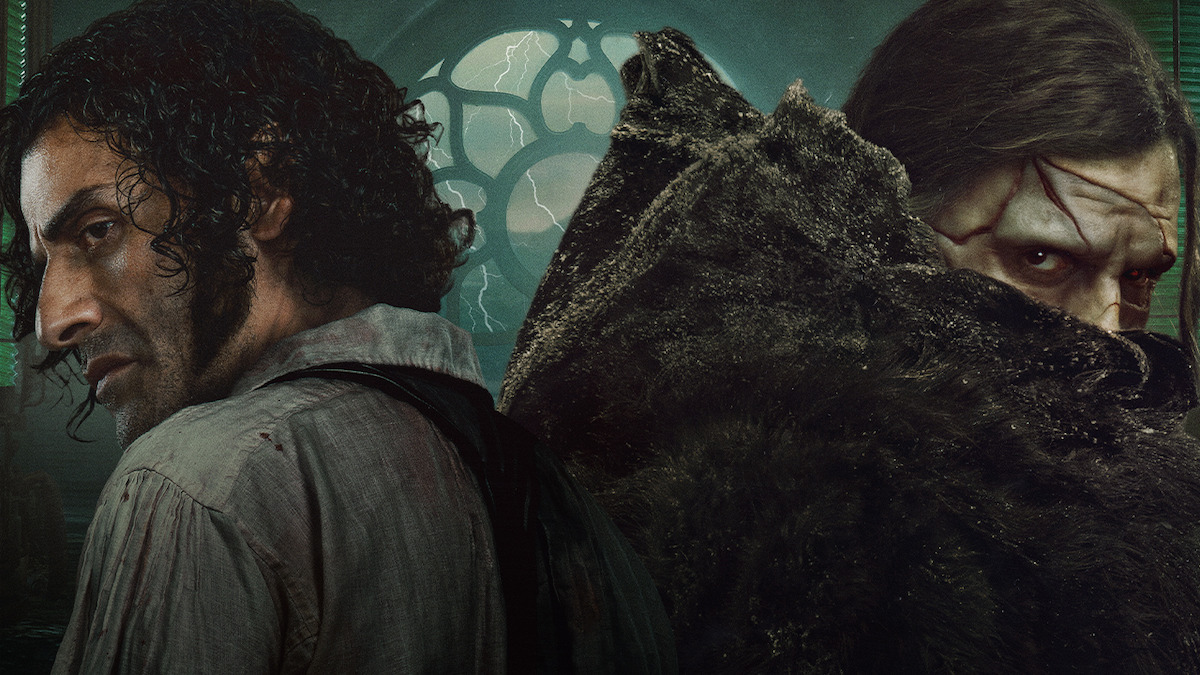
Known for his award-winning Pan’s Labyrinth and The Orphanage, director Guillermo del Toro has a history of painting fantasy on the silver screen. As an auteur who features grandiose settings and special effects, del Toro dives into the world of science, art, and dark curiosity in his most recent film, Frankenstein.
Released on October 17th, 2025, before officially being released on Netflix on November 7th, Frankenstein is no stranger to the movies. There have been numerous takes on Mary Shelley’s classic tale, including Bride of Frankenstein (1935), Frankenstein (1931), The Revenge of Frankenstein (1958), and Frankenstein: The True Story (1973), many of which recreate the story through the lens of horror. Dr. Victor Frankenstein is often rendered as a mad scientist, and the monster is depicted as a savage.
Del Toro, however, captures the humanity of the monster and the question of what makes something living “human.” In one of the most poignant lines of the film, Victor Frankenstein is asked, “Did you ever wonder, of all the parts that make that man, which one holds the soul?” He allows us to consider this question as we enter the story through Victor Frankenstein’s point of view, followed by the monster’s point of view.
From Frankenstein’s view (yes, Frankenstein is the doctor and not the monster), we experience his childhood memories of privilege and nobility, but also darkness and tragedy. Frankenstein’s mother, the warmth and sunshine of his youth, dies in childbirth at the hands of his cold and Draconian physician/father. This pivotal event catapulted him into the ethical gray area of regenerative medicine and led him to depend on questionable people for financial backing. With a skewed moral compass, Frankenstein first tells the story of how he created the monster and what devastation was left in the wake of playing god.
Del Toro then turns to the monster’s perspective. His depiction is not of an irrational and violent creature, but rather of an innocent and intelligent being who tries to make sense of a world that makes no sense. The monster had the potential for goodness, but the setting he was thrown into would not allow it. Essentially, the monster shows more humanity than humanity.
Del Toro’s Frankenstein is a cinematic masterpiece. The audience sees three-dimensional characters that, in many ways, may be adjacent to the actual plot of Mary Shelly’s novel, but not in the spirit of what she was exploring. With his dream-like, Gothic backdrop, he creates a fascinating and unforgettable world that may have many viewers wanting to crack open the original classic once more.