In conversations about rock, bands like Nirvana and Pearl Jam usually dominate with the musicians behind them, who have notably earned their roles as household names. But one artist who often gets overlooked, despite his incredible impact in shaping the sound of a decade, was Scott Weiland. As the lead singer of Stone Temple Pilots and later Velvet Revolver, Weiland became one of the most fascinating frontmen in rock history. His career was filled with massive success, reinvention, and personal struggle.
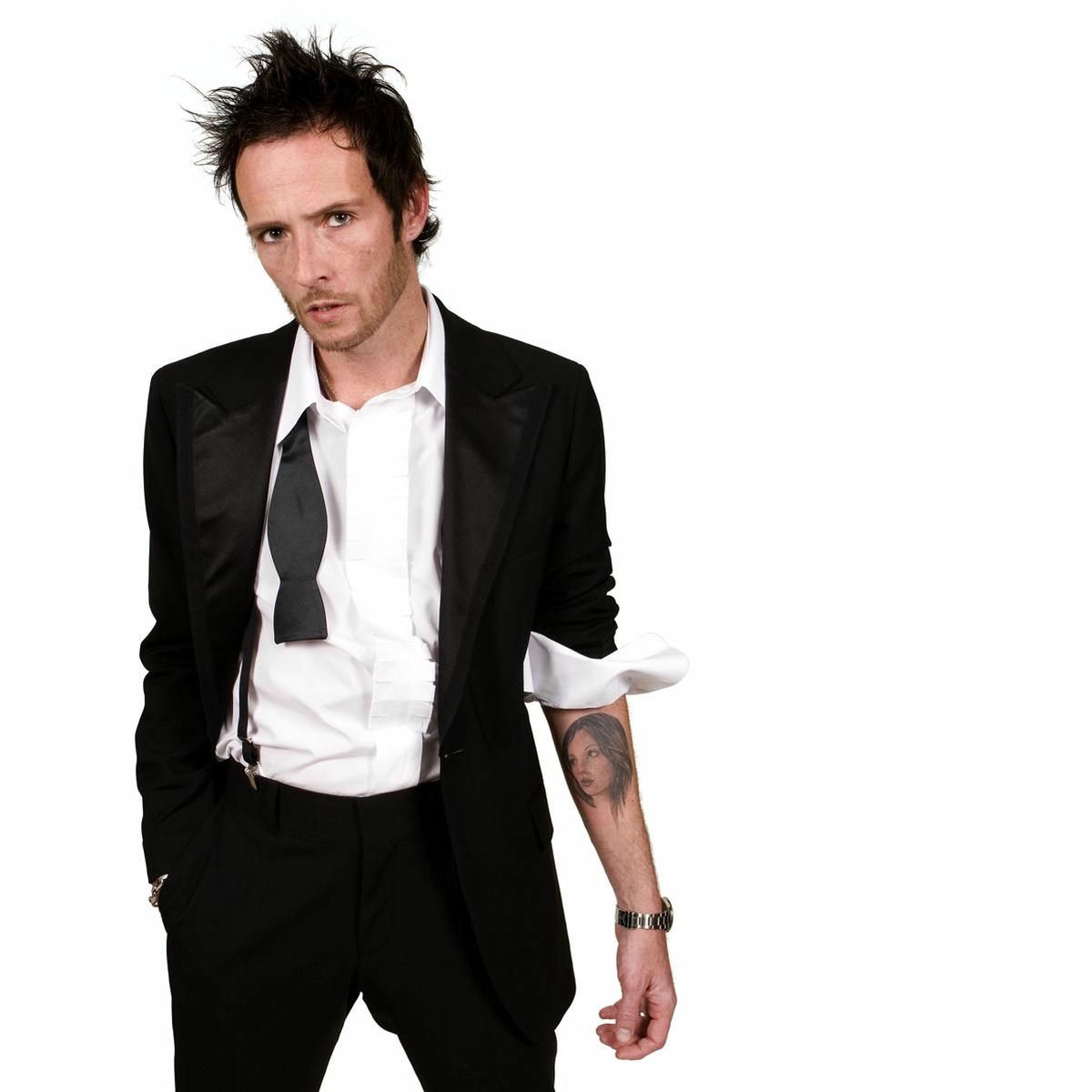
What separated Weiland from other musicians was his stage presence and ability to draw in audiences. Weiland was well known for his frequently changing appearance, showing that his creative experimentation was used in more than just his songwriting. He was recognized for his colored hair, use of makeup, and fashion statements. Inspired by David Bowie’s music and fashion influence, Weiland used military jackets, dramatic stage movements, and eyeliner to establish his image. He said many times how fashion is an art form that can influence performers and how they interact on stage, turning regular gigs into a performance. This approach to artistry and appearance differed him from the typical masculine grunge appearance. Aside from his fashion exploration, Weiland was also known for his memorable voice which carried the same vocal style as other well known musicians like Eddie Vedder, Jim Morrison, and Layne Staley. He had a wide vocal range which changed depending on the albums and songs, giving his projects great variety. His work explored psychedelic rock, 60-s influenced sounds, and classic rock.
Weiland described himself as “chameleon-like,” since he openly accepted change and was frequently changing his musical experimentation. This is evident in his early work with Stone Temple Pilots, which started out as a rock band with notable influence from the Seattle grunge scene. Their earlier albums, especially their debut, Core, faced criticism from people who accused STP of copying the other successful groups at the time, especially Nirvana and Alice in Chains. Despite this, STP’s music kickstarted the widespread adaptation of the Seattle-originating grunge movement to other parts of the country. Their later albums experimented with psychedelic rock and softer styles. Tiny Music… Songs from the Vatican Gift Shop, the band’s third album, showed a major musical change after a brief hiatus in 1995. The album is recognized for its dramatic reinvention of Stone Temple Pilot’s sound.
Differing from his experimentation with music style, Weiland stayed constant in his songwriting process. He notably wrote his songs based on how the words sounded together, rather than if they actually made sense or not. This is called phonaesthetics, or “nonsensical” lyricism. This technique can be seen in Weiland’s work throughout his time with Stone Temple Pilots, Velvet Revolver, side projects, and his solo work. Weiland said that in his solo work, he had more freedom over his artistic process and was able to embrace new patterns and explore more styles of music. He also described many of his songs as “stream-of-consciousness of words,” showing that his true passion for songwriting was in the music itself, rather than the meaning and lyrics behind them. Despite this, much of his work does have genuine meaning and relates to his guilt, addiction, and isolation. When he was writing a song that focused on lyrical depth, Weiland used abstract and symbolic lyrics instead of direct storytelling. Weiland’s most successful song with over six hundred thousand streams, Interstate Love Song, is about hiding addiction from loved ones. This features gutting lyrics such as, “Breathing is the hardest thing to do, With all I’ve said and all that’s dead for you.” Weiland’s next project was Velvet Revolver, which he collaborated on with former members of Guns N’ Roses. Velvet Revolver was first doubted by fans and critics, yet later achieved commercial success and was nominated for many awards, even winning a Grammy for the Best Hard Rock Performance of 2005. His contribution to different genres and bands prove Weiland’s ability to adapt to multiple styles.
Weiland was an incredibly successful musician, but underneath the fame he was internally struggling with a harrowing drug addiction. He was a habitual drug user whose use heavily affected the success of his bands. While Stone Temple Pilots released many albums, there was a time when the bands’ earlier records were almost scrapped due to the toll Weiland’s addiction was taking on his musical efforts. Robert DeLeo, STP’s bassist, said that he even had doubts about which direction they were heading and if it was possible to ever finish a record. In 2003, Stone Temple Pilots’ broke up, which was ultimately caused by Weiland’s addiction and how it became mentally draining for everyone involved with the band. His health was deteriorating and made it hard for him to physically perform at his best, leading to some of STP’s tours being cut short and Weiland’s no-show at rehearsals. His addiction got so bad to the point where he was convicted for buying cocaine and was put on a one-year probation in 1995. In 2001, he was diagnosed with bipolar disorder, leading to an escalated use of drugs and other illegal substances. In 2008, Weiland had checked himself into rehab, leaving promises to his wife that he would get it together. Later in December of 2015, Weiland tragically passed away due to cocaine overdose. He was found in his tour bus as he had been touring with one of his side projects, the Wildabouts. His death was determined as a result of an accidental overdose.
Scott Weiland’s legacy carries on because of his willingness to take creative risks and constant reinvention as an artist. He was more than just an overlooked “tragic rock star,” but a transformative voice who turned his chaos into art. He lives on through his many projects and continues to inspire new artists and listeners. Despite the criticism he faced, Weiland’s accomplishments and unapologetic authenticity serves as a reminder for future generations to stay true to their heart and never hold themselves back.